

October 11, 2022
ProtoQSAR in different congresses!
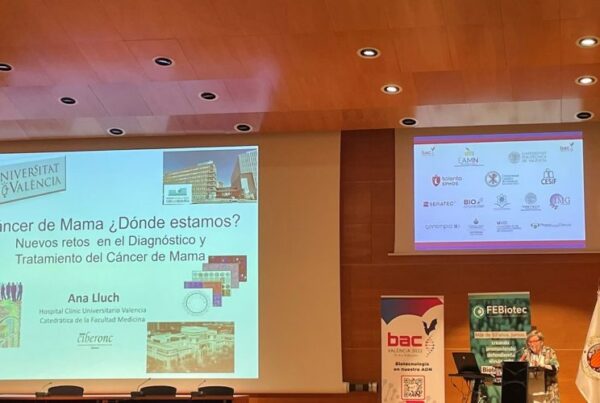
ProtoQSAR presence in different congresses! In the last months, our team has been able to participate in different congresses by attending and, sometimes, presenting our work. Our CTO Eva Serrano…

October 4, 2022
European night of researchers
ProtoQSAR participates in the European researchers’ night. Last Friday, September 30, the European researchers’ night was celebrated. On the occasion of this celebration, our researchers Salvador Moncho Escrivà and José…

November 2, 2021
Normative ICH
What characteristics should a QSAR model have from a regulatory point of view? A case of the ICH regulation. As we saw in our previous post about what QSAR models…
October 29, 2021
Statistical techniques
What statistical techniques do QSAR models use? As we have seen in the previous entries, QSAR models allow predicting properties or activities of molecules, and are obtained from the analysis of molecular descriptors with…
October 25, 2021
Molecular descriptors
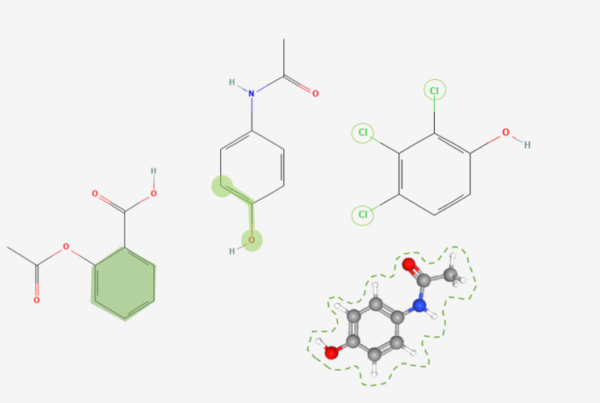
What are molecular descriptors? In order to generate QSAR models, it is necessary to codify in some way the characteristics of the molecules, in order to have the most detailed possible…

October 22, 2021
QSAR models
QSAR models, what are they and how are they created? The QSAR models, acronym for Quantitative Structure Activity Relationships, are based on one of the most used techniques in the…

October 15, 2021
Computational methods
What computational methods can we use to predict properties of substances? In the previous blog entry, we talked about chemoinformatics within the so-called alternative methods. However, what computational methods can we…
September 24, 2021
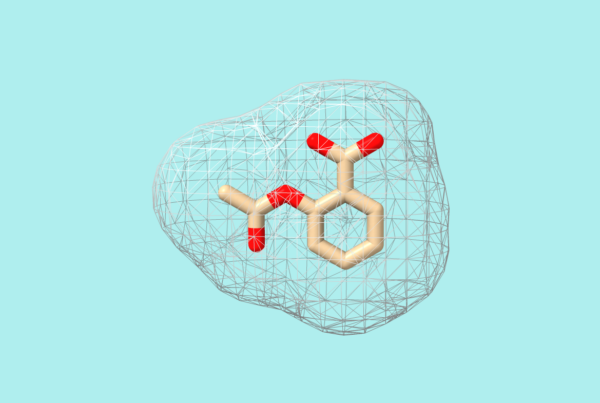
What is chemoinformatics?
The health and environmental effects of chemicals are increasingly relevant to the general public, regulatory agencies, academia, and industry. Thanks to the evolution of computational techniques, we have powerful tools…

September 16, 2021
Alternative methods
What are alternative methods to animal testing? According to the recent estimates, in the European Union alone, approximately ten million vertebrate animals are slaughtered for different experimental purposes (i.e., scientific, toxicological,…
